After years of restoration, the doors of Notre-Dame are finally reopening. Here is what to expect inside the restored cathedral and how to navigate the Île de la Cité like a local.
The smell of incense and old stone has been replaced for years by the scent of sawdust and lead-safe scaffolding, but that is finally changing. Standing on the parvis of Notre-Dame this morning, you can feel the shift in the air as the massive oak doors prepare to swing open once again, revealing a space that most thought would be lost for a generation.
The Great Cleaning: A Cathedral Reborn in White
If you visited the cathedral before 2019, you likely remember a dim, grey, and somewhat somber interior. Centuries of candle soot and Parisian smog had coated the limestone in a thick patina of grime. One of the most startling revelations of the Notre-Dame Cathedral interior tour is the color. The restoration teams have used specialized latex gels to lift the dirt, revealing the original honey-colored "Lutetian" limestone. It is bright, airy, and feels significantly larger than it did before the fire.
The light now pours through the Rose windows with a clarity that hasn't been seen since the days of Victor Hugo. While the medieval glass survived the heat, the windows were covered in toxic dust; they have since been painstakingly cleaned in workshops across France. When you stand in the transept, the play of violet and crimson light on the bleached stone floor is nothing short of cinematic. It is a reminder that Gothic cathedrals were never meant to be dark—they were designed to be "bibles of light."
Beyond the Nave: The Secrets of Île de la Cité
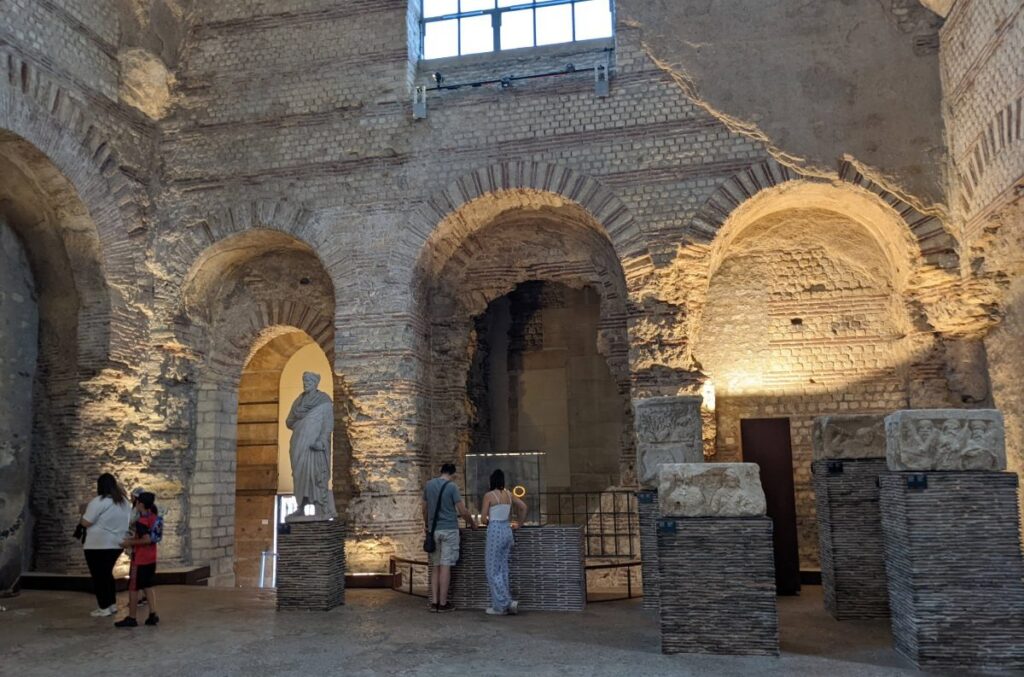
While the cathedral is the undisputed crown jewel, the island it sits upon—the Île de la Cité—holds layers of history that most tourists walk right over. Just a few hundred yards from the cathedral’s facade lies the Crypte Archéologique, where you can see the remains of the original Roman docks. If the crowds at the cathedral entrance feel overwhelming, we often suggest taking a breather at the Square Jean-XXIII or wandering toward the Place Dauphine at the opposite end of the island.
For those looking to understand the full evolution of French royal power, combining your visit with a Private Louvre Museum Highlights tour is the logical next step. The Louvre began as the fortress protecting this very island. On the island itself, the Sainte-Chapelle remains the best place to see 13th-century stained glass in its purest form, often serving as a quieter, more intimate counterpoint to the grand scale of the cathedral.
The New "Forest" and Modern Touches
Purists might have worried about modern interventions, but the restoration has remained remarkably faithful to Viollet-le-Duc’s 19th-century vision while adding subtle, contemporary craftsmanship. The "forest"—the intricate web of oak beams supporting the roof—has been rebuilt using medieval techniques and hand-hewn timber. While visitors generally won't climb into the attic, the structural integrity it provides allows the interior to feel safe and permanent once more.
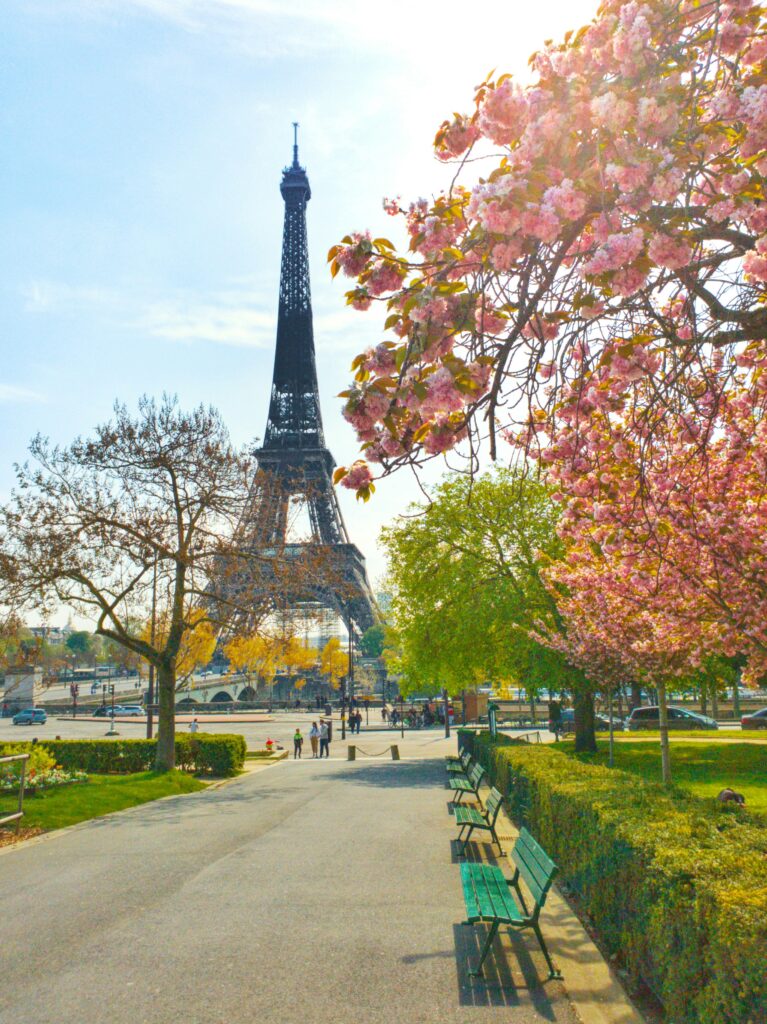
You will notice new liturgical furniture—the altar, the cathedra, and the baptistery—cast in bronze with a minimalist aesthetic. It’s a bold choice that anchors the cathedral in the 21st century without screaming for attention. If you find the wait times for the towers too long, consider heading across the river for a Eiffel Tower Guided Visit to get that high-altitude perspective of the cathedral’s new lead roof and the iconic spire piercing the Parisian skyline.
Navigating the Reopening Logistics
Expect security to be tight and lines to be a permanent fixture of the parvis for the foreseeable future. The "reservation-only" culture that took over Paris during the restoration isn't going away. To see the interior without spending half your day in a queue, timing is everything. Early morning, just as the city is waking up and the boulangeries are smelling of fresh butter, is the only way to experience the island with any sense of peace. Most visitors arrive by 10:00 AM; by then, the magic of the "Point Zéro" (the brass plate from which all distances in France are measured) is hidden under a thousand pairs of shoes.
Frequently asked questions
When does Notre-Dame officially reopen to the public?
The cathedral is scheduled to reopen to the public in December 2024. While the exterior and parvis have been accessible for some time, this marks the first time visitors can step inside the nave since the 2019 fire.
Can I book a guided tour of the interior?
Yes, our Notre-Dame Cathedral interior tour provides skip-the-line access and a professional guide to explain the restoration process and historical significance. Booking in advance is highly recommended due to the massive expected demand.
What are the biggest changes inside the restored cathedral?
The most striking change is the luminosity; the stones have been deep-cleaned to their original creamy white, and the stained glass sparkles more than it has in centuries. You will also see the new contemporary liturgical furniture and the rebuilt structural oak "forest" above the vaulting.
What is the best way to get to Notre-Dame?
The closest stations are Cité (Line 4) or Saint-Michel Notre-Dame (RER B and C). Walking across the Pont au Double offers the most dramatic first view of the cathedral's south facade.